BMU Raises Alarm Over False Admission Documents – Each admission season brings excitement, hope, and, unfortunately, an increase in fraudulent activities targeting innocent students. This year, Bayelsa Medical University (BMU) has issued a strong warning to the public after discovering a fake admission letter and misleading “admission guidelines” spreading across social media.
These deceptive documents have already confused several applicants, prompting the university to release an official alert to safeguard students, guardians, and the public.
In a period when thousands of young Nigerians are anxiously checking their JAMB CAPS dashboard, scammers see an opportunity to exploit that desperation. BMU’s recent announcement serves as a reminder that staying informed is just as important as meeting academic requirements.
No university, especially a specialised institution like BMU, will ever bypass the official admission channels managed by JAMB.
This guide breaks down everything BMU has clarified, why the warning is necessary, and how applicants can protect themselves from falling victim to online fraud during the 2025/2026 admission cycle.
Why BMU Raises Alarm Over False Admission Documents
Bayelsa Medical University confirmed that a forged admission letter has been circulating online alongside a fabricated list of “requirements and procedures” that claim to guide new students. These materials look official at first glance, which is why many unsuspecting applicants may fall for them.
However, BMU made it clear that it has not issued any admission letter outside the JAMB CAPS system, and any document suggesting otherwise should be treated as fraudulent. The university emphasised that no authentic admission process takes place on WhatsApp groups, random Facebook posts, Telegram broadcasts, or through personal contacts claiming to represent school officials.
This clarification comes at a critical time when students who desperately want admission are vulnerable to exploitation. Many scammers have mastered the art of replicating the design and structure of real university documents, making it even harder to differentiate between legitimate and fake information.
BMU’s timely announcement aims to stop further harm and ensure every student remains on the right track throughout the admission cycle.
Official BMU Admission Procedures: What the University Wants You to Know
In its statement, the institution stressed that all genuine admission activities are handled strictly through the JAMB portal and the university’s official website. No staff member, no matter their position, is permitted to send private admission letters or demand payment through personal accounts.
BMU reminded applicants that the only recognised admission process includes the following:
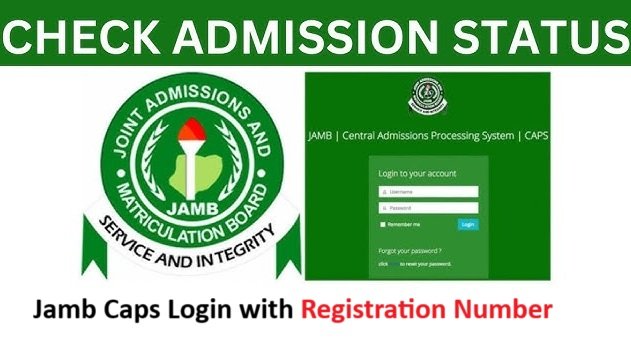
1. JAMB CAPS: The Central Admission Processing System (CAPS) is where every legitimate Nigerian university admission is released. Applicants must log in regularly to check their status and accept or reject any offer that appears.
2. BMU’s Official Website: All official notices, screening updates, payment guidelines, departmental cut-off marks, academic calendar updates, and hostel information are published only on the university’s verified platforms.
3. No Third-Party Admission Agents: The university strongly warns that BMU does not appoint or approve agents to assist students with securing admission. Anyone claiming to have such authority is attempting to deceive you.
Applicants were also urged to cross-check any admission-related message they see or receive by contacting the school directly through their verified channels.
How Scammers Operate: Understanding the Tactics Used to Mislead Applicants
For students and parents who may not understand how elaborate these scams can be, BMU highlighted why caution is necessary.
Here are some common tricks scammers use:
- Fake Admission Letters: They design documents that resemble real university templates and send them through social media, promising that “your name is already on the list.”
- Personal Bank Account Requests: Scammers often ask applicants to pay acceptance fees, clearance fees, or hostel fees into private bank accounts. No genuine university uses personal accounts for official payments.
- Fake Screening Instructions: They release documents listing false requirements that sound legitimate, photocopies, attestation letters, payment slips, certificates, but these documents do not match any actual BMU procedure.
- Impersonation of Staff: Some fraudsters introduce themselves as “BMU staff,” “admissions officers,” or “school consultants,” promising to help candidates secure a slot.
- Urgency and Emotional Pressure: They often say the offer will “expire within hours,” pushing applicants to act quickly without verifying.
BMU wants every applicant to understand that no matter how real these messages sound, they must be ignored.
BMU’s Advice to Students and Parents
To help the public avoid scams, BMU provided several guidelines that every applicant must follow carefully. These are not just suggestions; they are essential steps to ensure your safety and avoid losing money or personal documents.
1. Disregard Any Non-Official Instructions: If you see a broadcast message, forwarded post, or downloadable PDF claiming to explain BMU admission steps, confirm it directly from the university’s official channels before taking any action.
Fake documents often use outdated or totally invented procedures, which can mislead students into sending money to the wrong people.
2. Never Send Money to Personal Bank Accounts: BMU emphasised that all payments, acceptance fees, hostel fees, and any other charges are made only through secure university portals or bank accounts linked to the school’s treasury.
Any message asking for transactions outside these methods is a scam.
3. Follow Only BMU’s Verified Social Media Pages: Scammers frequently create pages that look identical to real school pages. Before trusting any information:
- Look for the verification tick (if available).
- Compare updates with the school’s website.
- Check if the page has consistent official posts.
4. Report Suspicious Activity: The institution encourages students to report any suspicious message, phone number, or document, so the school can take action and warn others. Reporting early prevents the fraud from spreading.
5. Monitor Your JAMB CAPS Frequently: Since BMU uses CAPS exclusively for admissions, make it a habit to log in and check your status. This can prevent you from falling for fake “notification messages” that claim you have been offered admission.
6. Maintain Patience and Follow the Right Process: Many scams thrive on impatience. When students are desperate to know their fate, fraudsters use that tension to deceive them. BMU urges applicants to trust the official process and avoid shortcuts.
Why This Warning Matters for the 2025/2026 Admission Cycle
The competition for admission into health-related institutions in Nigeria is high, and BMU, being one of the specialised medical universities, attracts countless applicants each year. Because of this demand, scammers see BMU as a prime target for exploitation.
The university’s alert serves several purposes:
- Protecting applicants from financial loss
- Preventing misuse of personal information
- Ensuring students are not misled into believing they have gained admission
- Maintaining the integrity of BMU’s official processes
By openly addressing the issue, BMU is empowering applicants with the knowledge they need to navigate the admission season safely.
How Applicants Can Verify Genuine Information
Here are simple steps to ensure you are not falling for a scam:
- Visit the official BMU website whenever you hear a new update.
- Check BMU’s verified social media accounts for announcements.
- Verify admission on JAMB CAPS, not through forwarded screenshots.
- Call or email the university using the contact details provided on its website if you are in doubt.
- Never rely on advice from strangers in social media groups.
A genuine university will never hide its procedures or use private individuals to communicate important admissions-related information.
The Responsibility of Parents and Guardians
BMU also advised parents to be involved in the admission process to help students avoid scams. Many young applicants are inexperienced and may not recognise fraudulent instructions when they see them.
Parents should:
- Help children verify information
- Assist in checking official websites and CAPS
- Warn them not to send money to strangers
- Guide them in recognising suspicious behaviour online
This combined awareness helps protect families from avoidable losses.
Conclusion
BMU’s warning is more than a simple announcement; it is a crucial reminder that fake admission offers can appear convincing and may cause serious financial and emotional damage if not recognised early.
Every applicant hoping to secure a place at Bayelsa Medical University must depend solely on JAMB CAPS and the official BMU website for accurate updates. Anything outside these two sources should be treated with suspicion.
By remaining vigilant and following BMU’s guidance, students and parents can confidently avoid fraud and focus on the real goal, earning a legitimate admission offer through the proper channels.
Admission season can be stressful, but with the right information and a little caution, applicants can navigate it safely.
More Posts…..
- FSDH Analyst Programme for Graduates with Major Benefits 2026
- BYSCONS Nursing/Midwifery Admission Form 2025/2026 – Requirements, Dates, and Process
- FUOTUOKE Vice Chancellor Recruitment 2025 – Apply Before Deadline Now
- MOAUM Stopped Signing-Out Parties And Student Noise 2025
- NLNG Scholarship 2025 Programme – Unlocking Life-Changing Opportunities for Undergraduates
- NMCN Scraps Three-Attempt Rule for Nursing Licensure Examinations.